"The brand knew what it stood for. The creative wasn't making it true. That was the problem I was hired to solve."
“The brand knew what it stood for. The creative wasn’t making it true. That was the problem I was hired to solve.”

Zouk's positioning was already decided. The founder had defined it two years before I joined: a modern Indian classic, proud but humble, unapologetically Indian, self aware, by the people. The brand guidelines were specific, down to tone of voice and the kind of compliment a customer might give a Zouk bag.
The thinking was sound. It wasn't reaching the people it was built for. Zouk's own research showed that out of 100 women in the target audience, around 80 would buy off the shelf without convincing. The other 20 needed something the existing content wasn't giving them. The positioning was right. The system to deliver it wasn't.
I joined as Creative Lead, working alongside the marketing lead and the founder, with an in-house creative team of 15 across videography, photography, styling, and brand execution already in place.
I wasn't hired to rewrite who Zouk was. I was hired to make sure the brand the founder had already defined actually showed up for the audience it was meant to reach.
The guidelines said the brand was proud but humble and by the people. The content wasn't living that out. It was polished and on-brand, but it spoke in one register, to one kind of customer. A brand that calls itself by the people has to put real people in front of the camera, not just talk about being relatable. A brand that's proud but humble can't only afford the customers who already love it. It has to go after the harder 20 percent without losing the humility that's supposed to define it.
The gap wasn't brand identity. It was a reach and translation problem. A single aesthetic voice cannot speak to a Gen Z college student, a working mother in her thirties, and a fifty-year-old woman who has never used Instagram. They don't watch the same things, follow the same people, or trust the same faces. The brand needed a system that could reach all of them without fracturing what the brand stood for.
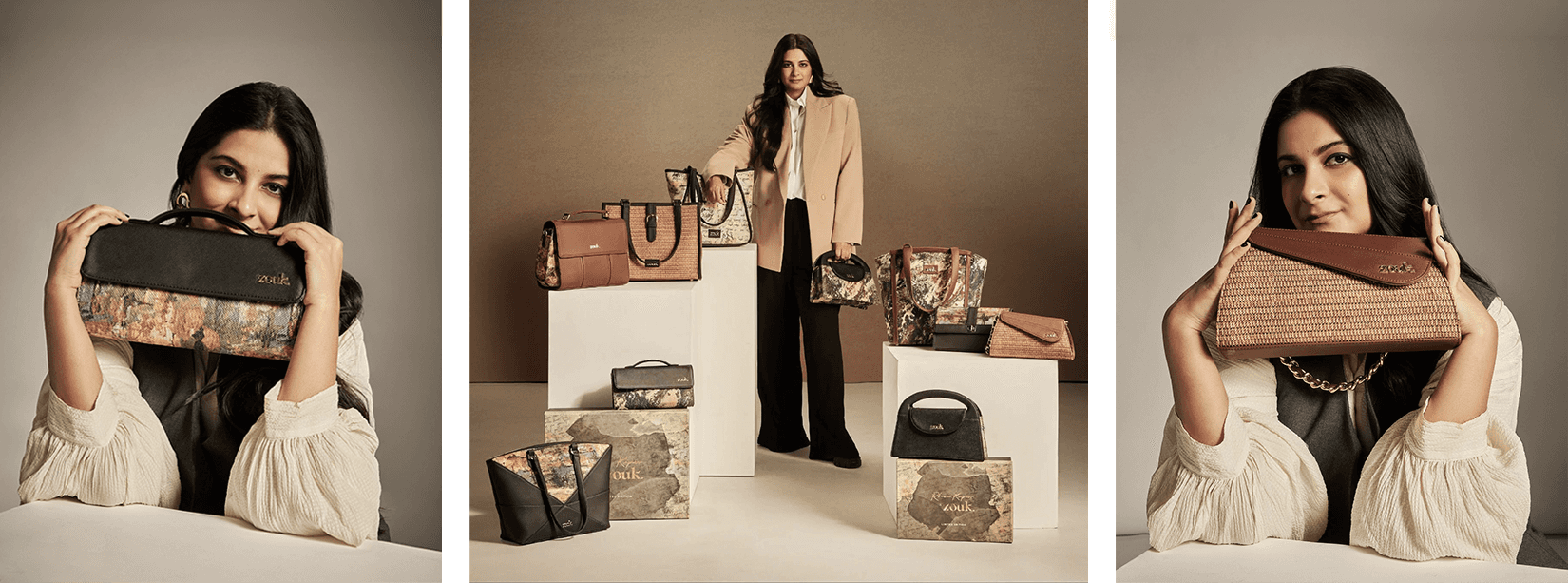


The problem had three layers. The brand wasn't reaching its full addressable audience. The creative wasn't translating the brand's own positioning into content people at different life stages could actually connect with. And there was no system holding any of it together across drops, launches, and collaborations. I built three things to fix that.
01
BRAND COHERENCE STRATEGY
Before any campaign or collaboration was touched, the fragmentation problem had to stop. Every product drop, influencer launch, and social moment was starting from scratch visually and tonally. That was quietly undoing whatever the last piece of work had built. I established a single positioning thesis across all output — one standard that every brief, every shoot, every piece of content was measured against. That was the foundation. Everything else ran on top of it.
02
TIERED INFLUENCER STRATEGY
The brand's own research showed 80 out of 100 target women would buy off the shelf. The creative was only converting that top segment. The other 20 percent needed a different kind of proof that the brand existed in their world.
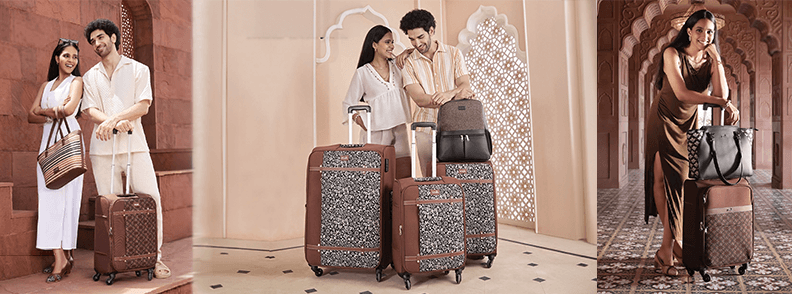
I designed a tiered creator system instead of a single influencer strategy. Two major film and TV collaborations per year for cultural presence. OTT and mid-tier creators for the everyday audience. Regional voices in South India, Maharashtra, and Gujarat speaking in the languages those audiences actually use at home. Nano creators for community-level trust.
I took this to the founder and marketing lead as a one-month test. The results held before we scaled. Influencer content output doubled. CTR improved 20%.
03
HOLDING THE STANDARD
A reach system only works if the creative coming out of it stays on-brand. I held that standard across everything the team produced. For the high-stakes shoots, celebrity and OTT collaborations where the brand's credibility was most visible, I directed personally. For product and website shoots, the in-house team of 15 executed. I held final approval on everything that shipped and gave directional feedback throughout the process. Nothing went out that didn't meet the positioning brief.


04
CAMPAIGN CONCEPTION
Direction without a concept is just supervision. For each of the three flagship brand experiences, I originated the creative concept before a single brief was written. Women's Day started with one question: if this brand is by the people, why are we casting models? Pride started with: what does it look like when a brand that's proud but humble shows up at a cultural moment without making it about itself? Creator Meet started with: how do we make creators feel like collaborators, not vendors? Each concept came first. The execution followed from it.


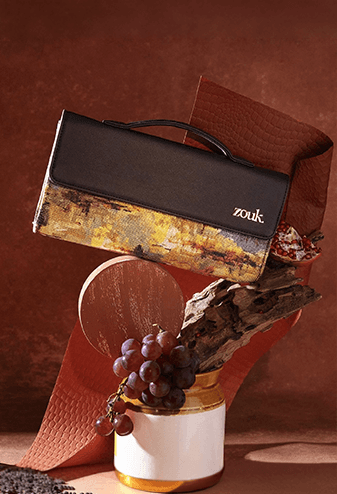
This wasn't a creative idea in isolation. It was the brand's own pillars, tested for the first time.
By the people meant the campaign had to be made with actual customers, not cast models. Proud but humble meant the casting had to include the woman in her fifties alongside the 22-year-old, with neither treated as the default.
We recruited 120 real Zouk customers across Mumbai, different ages, different relationships with the brand, and asked if they'd be part of a Women's Day shoot. Twenty-five to thirty said yes. We booked two villas, one for photography and one for a brand film, dressed them, and shot a campaign built around the idea that Zouk has a bag for every kind of woman.
The guidelines had said this for two years. This was the first time the brand's content matched what it claimed to be.
CREATIVE DIRECTION DECISIONS
Cast only real customers, no models
Two villas instead of a studio: one for photography, one for the brand film
Across age groups deliberately: Gen Z alongside women in their fifties
Documentary-style photography, not campaign-posed
Minimal retouching to hold the authenticity the brief required
Every casting decision was a strategic one: the brand says "by the people," the shoot had to prove it


Not everything landed. We tried a sneaker line backed by an original anthem, with three influencer pairings: a singer performing the track, an athlete framed around a personal journey, and a founder known for building a successful ethnic wear brand. The athlete and founder collaborations performed well. The anthem itself didn't. Engagement stayed flat instead of climbing the way the rest of the strategy did.
Worth knowing which bets don't pay off, not just publishing the ones that do.


The reach system worked because it was built on something solid. Brand clarity first, distribution second. The numbers reflect that order.

Zouk's brand wasn't broken. It was sitting on paper, written well, agreed on by everyone, and not reaching most of the people it was meant for. The job wasn't to invent a new identity. It was to walk into an existing brand, diagnose why the creative wasn't converting the full addressable audience, build a system to fix it, and hold brand integrity across every execution without losing what made the brand worth reaching people with in the first place.
Kyari shows what I do when there's no brand yet to work from. Zouk shows what I do inside someone else's brand, when the gap isn't identity but reach.
